
What time should a kids birthday party start?
Late morning or early afternoon works well for many kids’ birthday parties, but the best start time for your party depends on your child’s routine. Younger children may enjoy a party before or after a nap. School-age kids often have more flexibility, especially if the party falls between lunch and dinner.
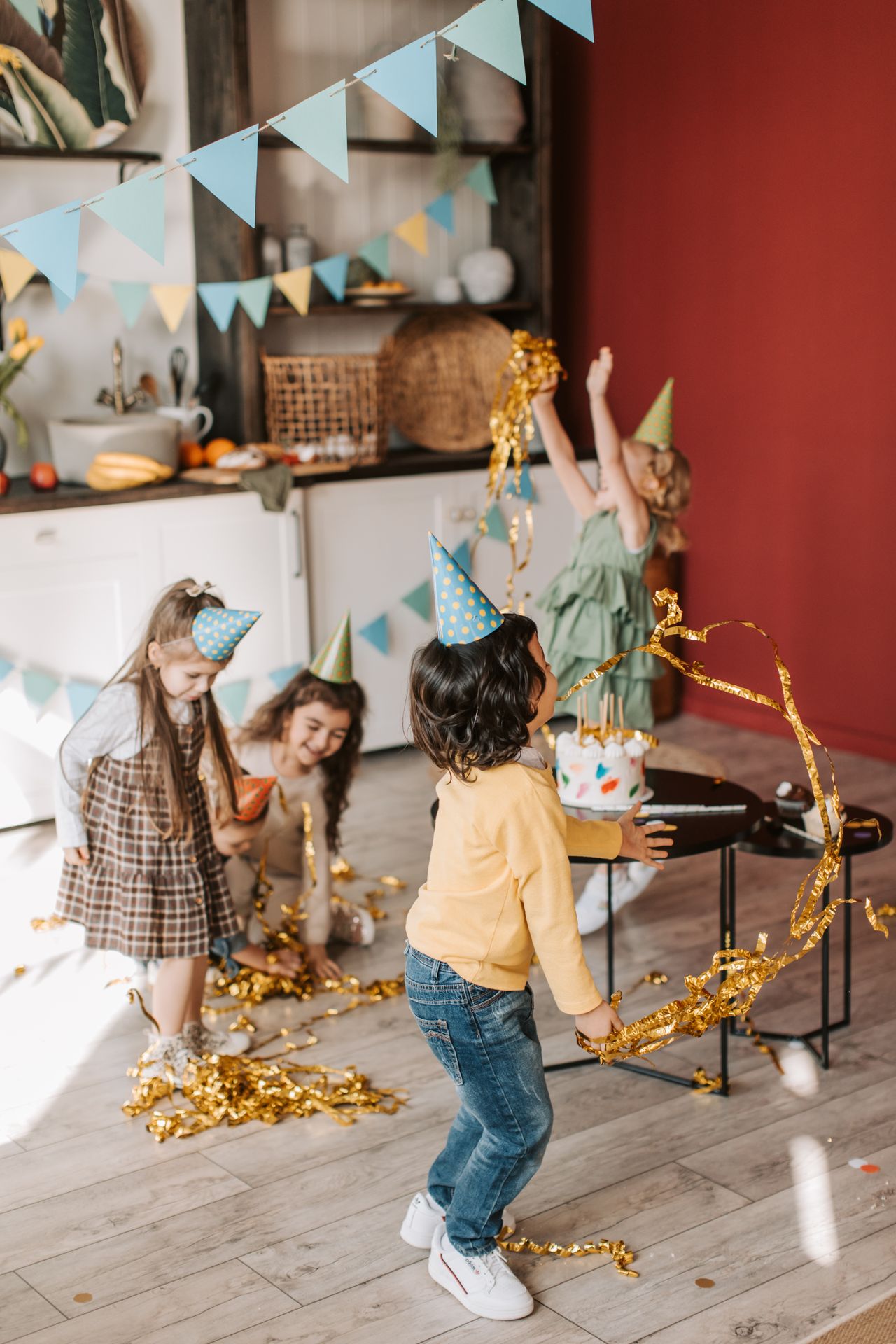
After years of planning and sharing kids’ birthday parties, I’ve found that the easiest schedule starts with the birthday child. Choose a time when they’re usually rested and ready to play, then consider the venue, food, activity, and time you’ll need to get ready.
Best birthday party start times by age
Use these times as a guide and adjust them to fit your child and the party you’re hosting.
| Age | Start time to consider | What to keep in mind |
|---|---|---|
| 1 | Late morning or after a nap | Choose a time when your baby is usually awake and content. |
| 2–3 | Around 10–11 a.m. or after a nap | Avoid your child’s usual nap window. |
| 4–5 | Late morning or around 2 p.m. | Consider whether you’ll serve lunch or just snacks and cake. |
| 6–8 | Around 1–3 p.m. | An afternoon party can fit between lunch and dinner. |
| 9–12 | Around 2–4 p.m. | Let the activity and your child’s preferences guide the time. |
| Teens | Late afternoon or evening | Choose a time that suits the activity and friend group. |
For example, A three-year-old who naps from noon to 2 p.m. may have a great time at a 10 a.m. party. Another child the same age might do better after their nap.
For help deciding how long the celebration should last, see our kids’ birthday party length guide.
How to choose a birthday party start time
Start with your child’s usual routine
Think about when your child is happiest, when they get hungry, and whether they still nap. A first birthday party may include plenty of adult guests, but your baby’s routine should still shape the celebration.
For toddlers, try to finish a morning party before their usual nap or leave time for them to wake up before an afternoon party. If naps are unpredictable, choose the part of the day when your child is usually most alert. You don’t have to find a time that matches every guest’s routine.
I made this choice for my son’s second birthday party. I held a campfire-themed party in the morning to accommodate the younger children’s naps, then served a brunch menu with bagels, fruit, and yogurt. The time and food worked well together.
Think about the food you’ll serve
The start and end times help parents understand whether their children should eat before they arrive. Use this table to think through what you’ll offer, then make the food clear on the invitation.
| Party time | Food to consider |
|---|---|
| Morning | Breakfast snacks or brunch |
| Around 11 a.m. to 1 p.m. | Lunch |
| Mid-afternoon | Snacks and cake |
| Around 5 p.m. or later | Dinner or substantial food |
These are expectations, not rules. You can host an 11 a.m. party without a full lunch, but tell families what will be served so they can plan accordingly.
A short line is enough: “Snacks and birthday cake will be served,” or “Join us for lunch and cake.” Our birthday invitation guide can help you work out when to send those details.
Work backward from the end time
Sometimes it’s easier to decide when you want the party to finish. If you’d like a two-hour celebration to end before dinner at 4 p.m., start at 2 p.m. If your toddler naps around noon, a 90-minute morning party could run from 10 to 11:30 a.m.
Put both the start and end time on the invitation. “Saturday, 2–4 p.m.” tells parents when to arrive, when to pick up their child, and whether the party overlaps with a meal.
Check the venue and activity
A movie, bowling party, or booked play space may give you only a few available time slots. Ask when you can enter, when guests can arrive, and whether setup and cleanup are included in your reservation. Leave enough time for check-in or waivers if the venue requires them.
A later time slot can sometimes work for young children if the party fits their schedule. At one circus-themed birthday, the celebration ran from 4:30 to 6 p.m. Children began with a coloring activity upon arrival, then moved into the gym. It’s an example of a short, activity-led party later in the day, though that timing won’t suit every child.
For an outdoor party, consider the season as well. A morning or later-afternoon start may be more comfortable on a hot summer day, while an earlier time gives you more daylight for outdoor activities in colder months.
Leave yourself time to get ready
Think through the hour before guests arrive. You may need to prepare food, set out activities, decorate, and get your child ready. A 9 a.m. start might work beautifully for your child, but you might feel rushed if you’re hosting at home.
Give yourself a buffer and have everything ready for guests before they arrive. If you’re using a venue, confirm how early you can arrive rather than assuming you’ll have a full hour to set up.
Sample kids’ birthday party schedules
These example schedules show how a start time can work with food and activities. Move the details around to suit your child and venue.
10 a.m. toddler party
| Time | Plan |
|---|---|
| 10:00 | Guests arrive and play |
| 10:20 | Simple activity |
| 10:50 | Brunch snacks |
| 11:10 | Birthday cake |
| 11:30 | Goodbyes before nap time |
2 p.m. school-age party
| Time | Plan |
|---|---|
| 2:00 | Guests arrive and settle in |
| 2:20 | Main activity or games |
| 3:00 | Snacks |
| 3:20 | Cake |
| 3:40 | Free play and favors |
| 4:00 | Party ends |
5 p.m. tween party
| Time | Plan |
|---|---|
| 5:00 | Guests arrive |
| 5:30 | Main activity |
| 6:30 | Dinner |
| 7:00 | Cake |
| 7:20 | More time with friends |
| 8:00 | Party ends |
You don’t need to follow a minute-by-minute schedule. It simply helps you see whether the activity, food, and goodbyes fit within the party hours. For more detailed schedules, visit our guide to how long a kids’ birthday party should last.
Frequently asked questions about birthday party start times
Yes, especially for a younger child who enjoys the morning. An 11 a.m. party will likely run through lunchtime, so consider serving lunch or letting families know that you’ll offer lighter food.
It often works well for school-age children. A party from 2 to 4 p.m. falls after lunch and finishes before dinner. If your child still naps, check their usual schedule before choosing that time.
It depends on your child. Five o’clock may be close to dinner or bedtime for a toddler, but it can suit an older child’s movie night, outing, or evening activity. Tell guests whether dinner will be served.
Ask the venue when hosts can enter and whether setup time is included in the booking. Some locations have another party immediately before yours, so confirm the window before making decorations or food plans.
Guests should generally arrive at the listed start time. As the host, have an easy activity ready for the first children who arrive, such as coloring, blocks, or free play. That gives everyone a few minutes to settle in before the main activity begins.
The best birthday party start time is one that fits your child’s routine and gives you enough room for the celebration you want to host. Once you’ve chosen it, you can use our kids’ birthday party planning guide to work through the guest list, venue, and activities.
Meet the Author
Cristy Posten is a party stylist, entertaining expert, and founder of Pretty My Party. With more than a decade of experience creating, curating, and sharing party ideas, Cristy helps readers plan memorable celebrations with practical advice, creative inspiration, and real-world hosting tips. Her expertise spans birthday parties, baby showers, bridal showers, holiday entertaining, décor, and food, with a focus on making celebrations easier to plan, beautiful, and fun.
