
How to Plan a Baptism Party: Food, Decor, and Checklist
A baptism party brings family and friends together to celebrate a meaningful day, but planning one while caring for a baby can feel like a lot to handle. I recommend starting with three decisions before buying decorations. Confirm the ceremony time, set your guest count, and decide who will handle the reception while you’re at the church.
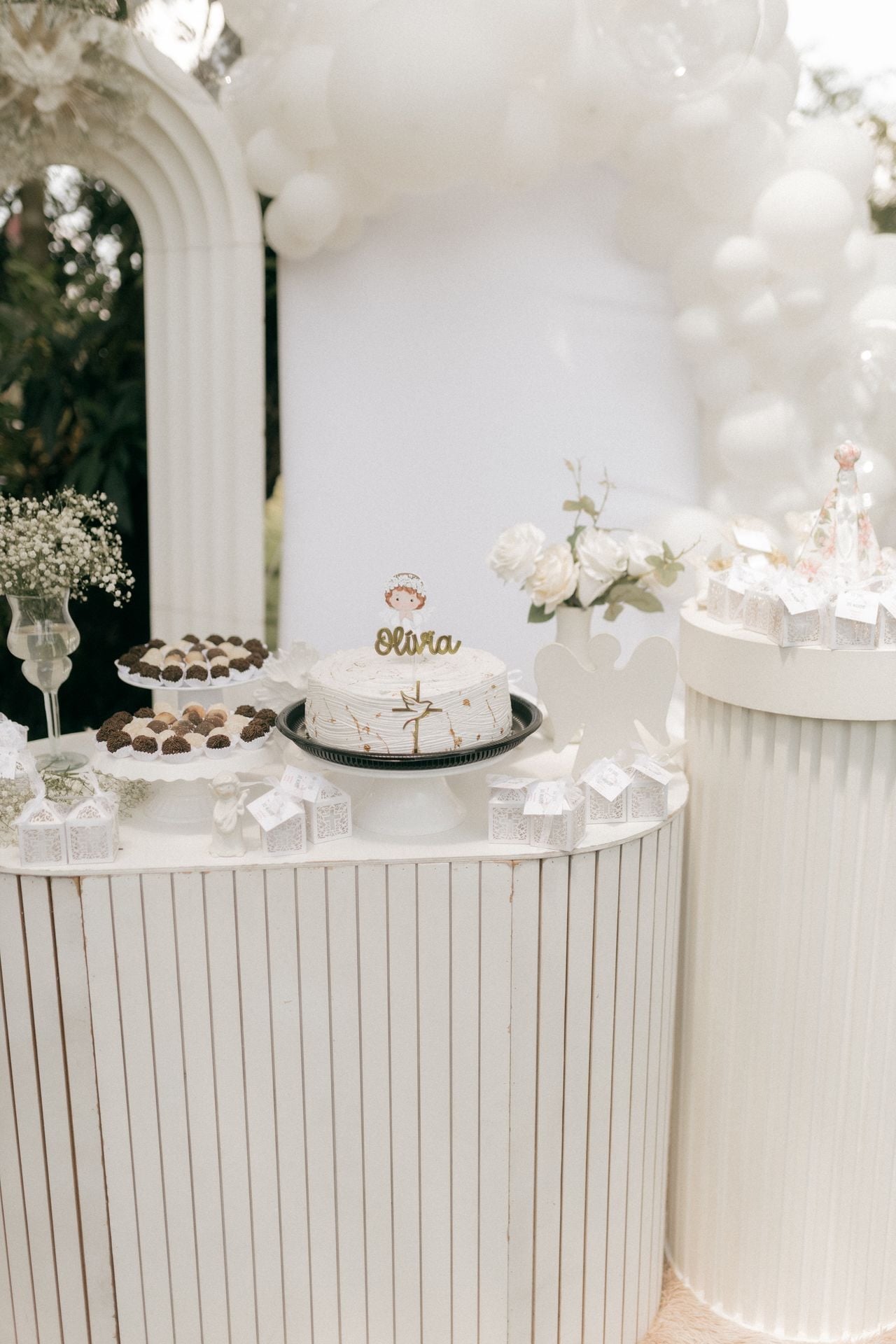
This guide focuses on planning a baby’s baptism reception. Whether you choose a restaurant lunch, a buffet at home, or cake and coffee, you’ll find practical ways to organize the day and leave yourself room to enjoy it.
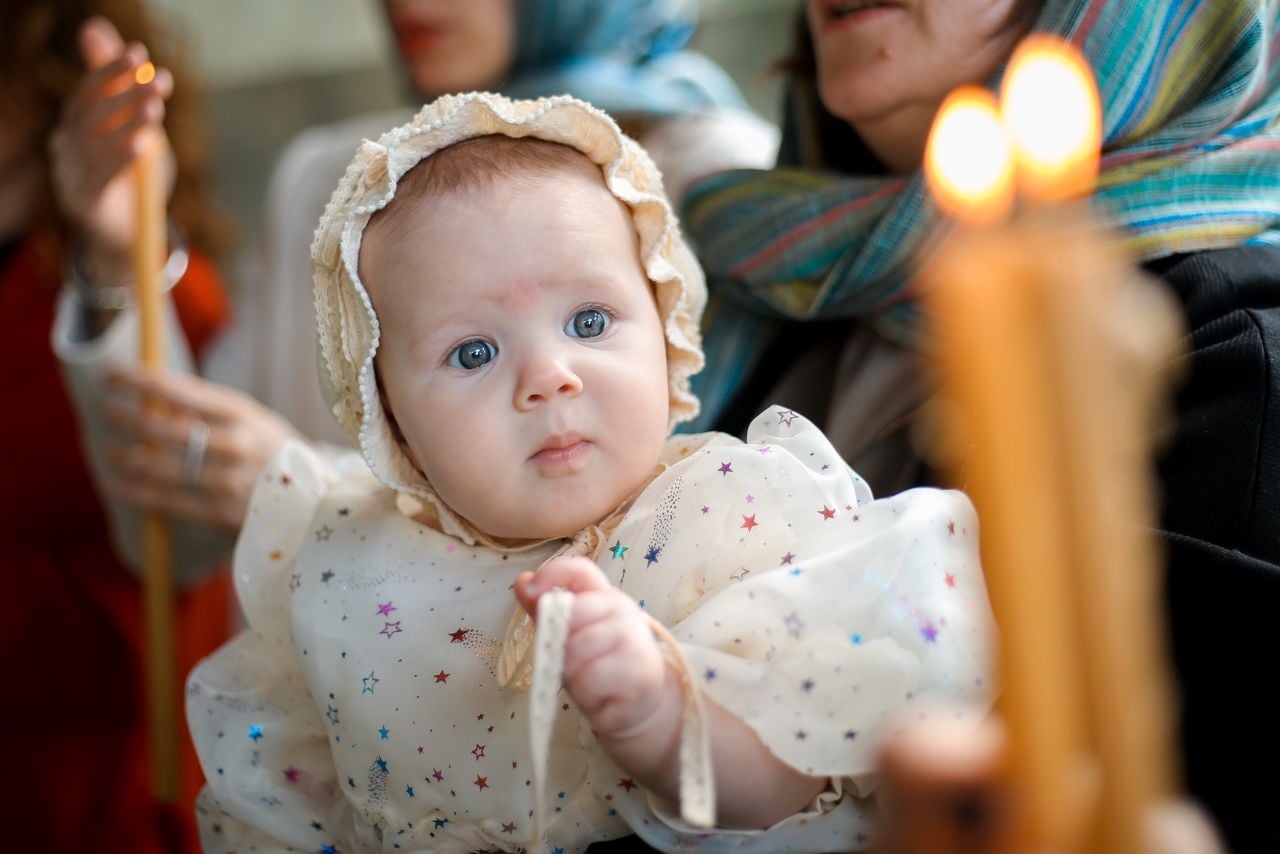
What is a christening party?
A christening party is a gathering of family and friends to celebrate a child’s christening. It usually follows the church ceremony and may include a meal, a small reception, or cake and coffee. The party is the social celebration, while the ceremony follows your church’s religious practices.
The gathering gives loved ones a chance to spend time together, take family photos, and mark the occasion. It can be as small as lunch with immediate family or include a larger group of relatives and friends.
Ask your church how it uses the terms “christening” and “baptism” and what preparation is needed. This guide covers planning the reception after the ceremony.
How to plan a baptism party
To plan a baptism party, confirm the ceremony arrangements, choose your guests and budget, book a reception location, and decide what food you’ll serve. Then send invitations, assign setup and hosting jobs, and prepare a simple schedule.
Start with the church before making reception bookings. Ask about the ceremony date, expected length, preparation requirements, and photography arrangements. Leave time for travel and family pictures afterward.
Religious practices vary, so use your own parish or faith community as the guide for ceremony requirements. For Catholic families, the USCCB’s overview of baptism and Christian initiation explains the sacrament and offers related prayer resources.
Next, make your guest list. Include children in the headcount and consider seating, parking, and access for guests who may have difficulty with stairs. Those details will help you choose a location that works for everyone.
Set your budget priorities
Start with the food you’ve promised guests, enough comfortable seating, and any venue costs. Then choose the extra things that matter most to your family. That might be professional photos, a special cake, or flowers for the tables.
I’d choose one of those priorities before ordering smaller decorations and favors. Include delivery charges, rentals, service fees, and cleanup costs when comparing options, so you’re working with the full price.
Choose a baptism reception location
At home
An at-home party gives you access to familiar baby supplies and a private place to feed or change your child. It also puts setup and cleanup on your list, so consider who can help before choosing this option.
For a smaller home, I’d use one food table and a separate drink station. That leaves more room for guests to move around and keeps coffee refills from holding up the buffet.
A church hall or community room
A nearby hall can reduce travel and give a larger group room to gather. Ask about the rental fee, deposit, cancellation terms, tables, chairs, kitchen access, outside food, and cleanup requirements.
Check exactly when you can enter the room. If setup overlaps the ceremony, you’ll need someone available to do it for you.
A restaurant
A restaurant is worth considering if cooking and washing dishes would make the day difficult. Ask about private or quieter seating, children’s meals, dietary accommodations, minimum spending requirements, and when the final headcount is due.
If you plan to bring a cake, confirm whether that’s allowed and whether a serving fee applies. Have a second location in mind until your booking is confirmed.
A backyard or park
An outdoor gathering can work well for a relaxed lunch, provided you have seating, shade, and a weather backup. Make sure your indoor alternative can accommodate the guests and food service before sending invitations.
If you like a picnic look, offer chairs and tables alongside any blankets. Guests in dress clothes, older relatives, and anyone holding a baby may appreciate a proper seat.
Use a stable table for food and check restroom access. For a public park, confirm reservation requirements and local rules before making plans.
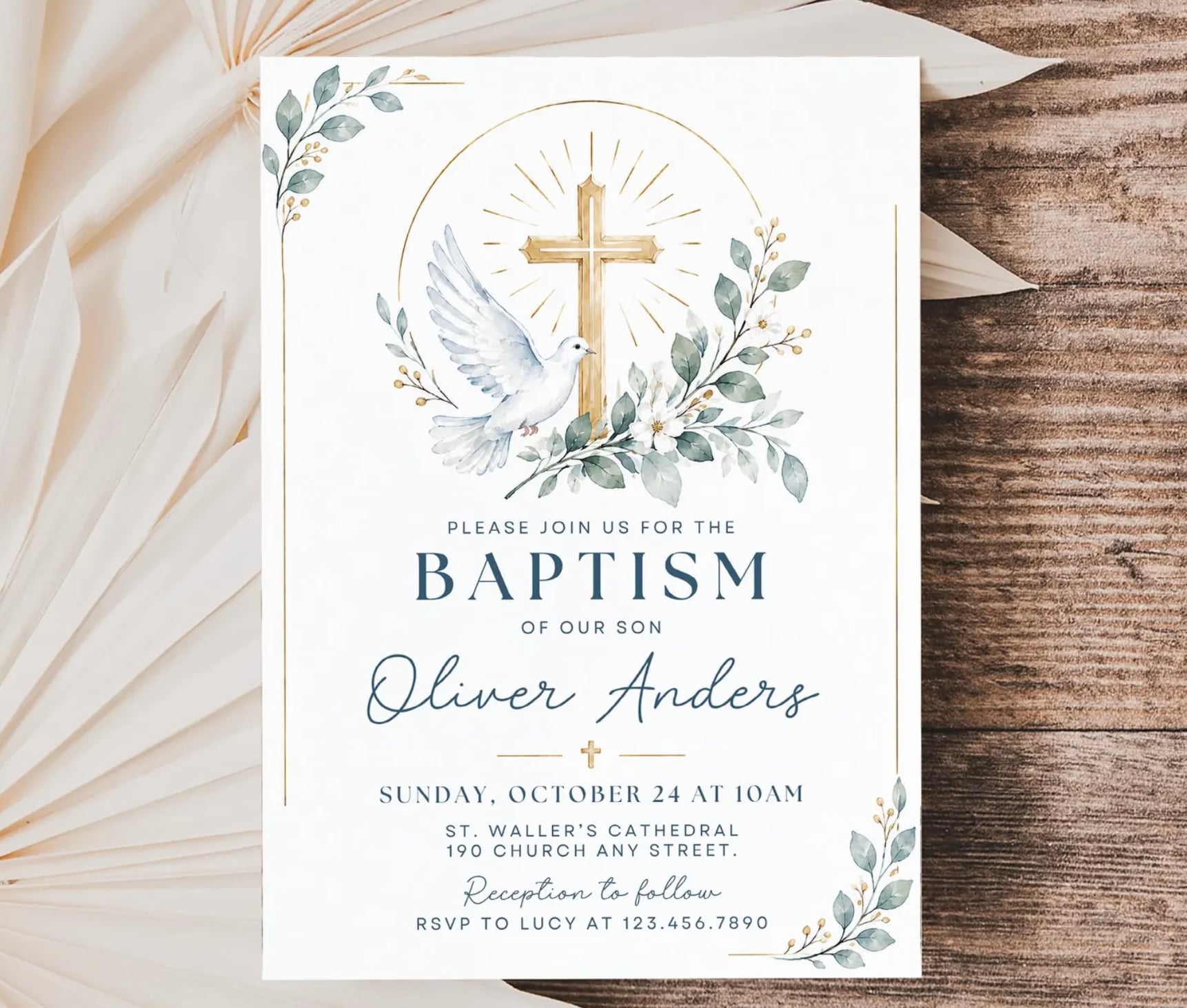
Send invitations with clear reception details
As a planning starting point, I’d send invitations four to six weeks before the celebration once the date and location are confirmed. Give traveling guests earlier notice when you can.
If the baptism is arranged sooner, send the details as soon as they’re settled. A phone call or digital invitation can help you reach everyone promptly.
Work backward from your venue’s or caterer’s final headcount deadline when choosing an RSVP date.
Include the child’s name, ceremony date and time, church address, reception address, reception start and end times, and RSVP contact. Mention whether you’re serving brunch, lunch, or light refreshments so guests know what to expect.
If you’re hosting soon after your baby’s arrival, prepare the address list or digital invitation contacts in advance whenever it’s convenient. You can also choose a design early and add the confirmed details later.
Here’s simple wording you can adapt.
Please join us to celebrate [child’s name]’s baptism on [date] at [time] at [church and address]. Lunch will follow at [reception address] from [start time] to [end time]. Please RSVP to [contact] by [date] and let us know about any dietary needs.
What to serve at a christening party
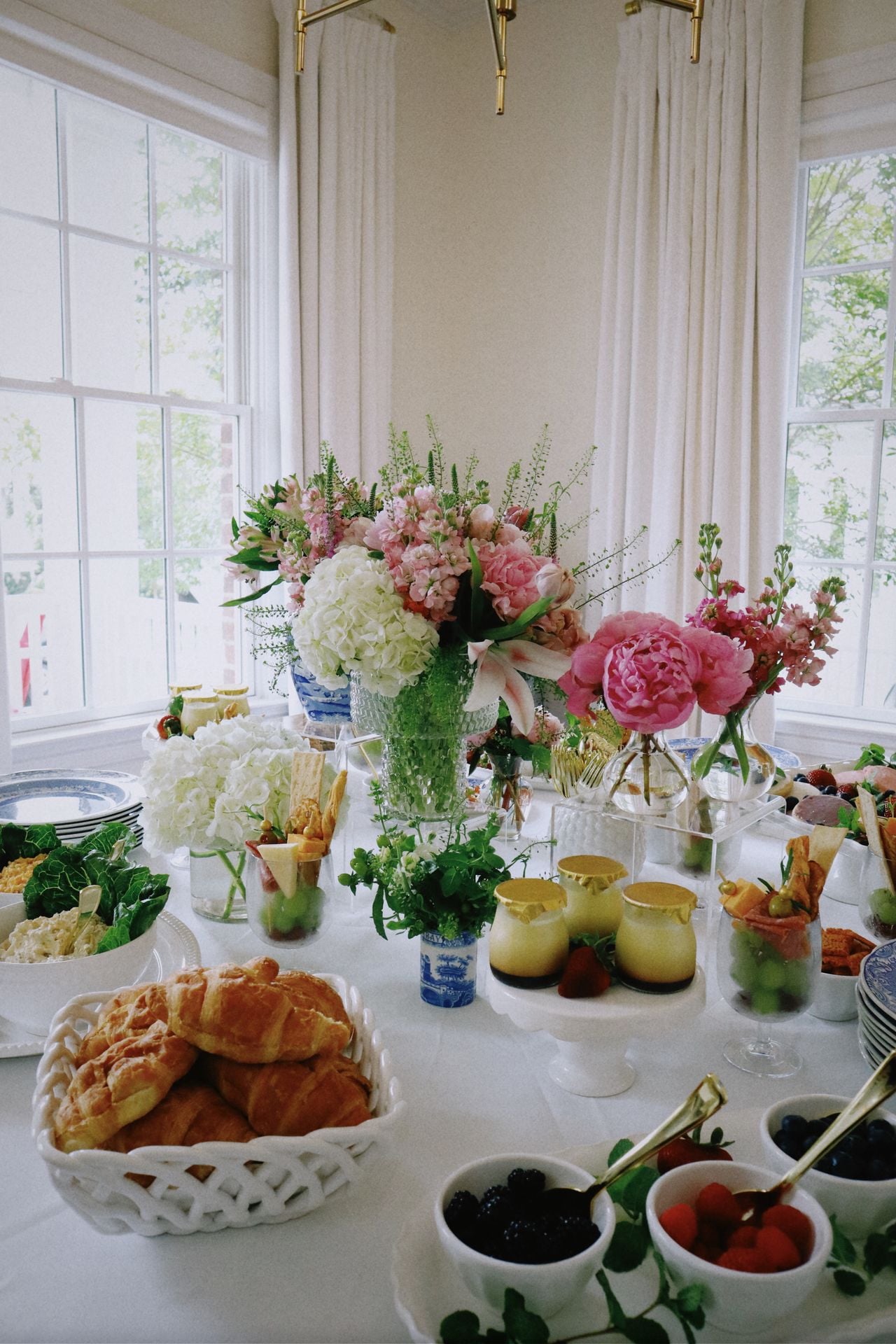
Serve food that fits the time of day and whether guests are expecting a meal. Bagels, pastries, fruit, and a savory dish make a great brunch. Sandwich platters and salads work for lunch, while cake, coffee, and light sandwiches can work for an afternoon gathering between meals.
Include water and nonalcoholic drinks, and choose dishes you can serve with the help available.
My biggest menu tip is to think about what happens when you return from church. A spread that requires several dishes to be reheated and assembled at once needs a helper to manage them.
| Reception format | Menu idea | What to arrange ahead |
|---|---|---|
| Brunch after a morning service | Bagels, pastries, fruit, and a savory dish | Assign someone to handle any cooking or reheating |
| Lunch at home | Sandwich platters, a vegetarian option, and salads | Arrange refrigerated storage and have serving dishes ready |
| A catered meal | Restaurant trays or a buffet with sides | Confirm delivery, setup, serving equipment, and pickup responsibilities |
| An afternoon reception between meals | Light sandwiches, cake, coffee, and tea | Describe it as light refreshments on the invitation |
When choosing baptism party food ideas, narrow your list to dishes that fit your serving space and can be prepared ahead. I’d choose fewer dishes that are ready on time over a larger menu that needs constant attention.
These are menu starting points, so adjust them for your guests’ needs. Ask about allergies and dietary restrictions when collecting RSVPs, and keep ingredient information for dishes available.
Work out how much food to order
Before placing an order, give the caterer or restaurant your adult and child counts, reception length, and the full menu, including food you’re supplying yourself.
Explain whether the gathering replaces a meal, and ask how many people each tray serves along with your other dishes. Confirm whether children need separate meals and what serving utensils or equipment are included.
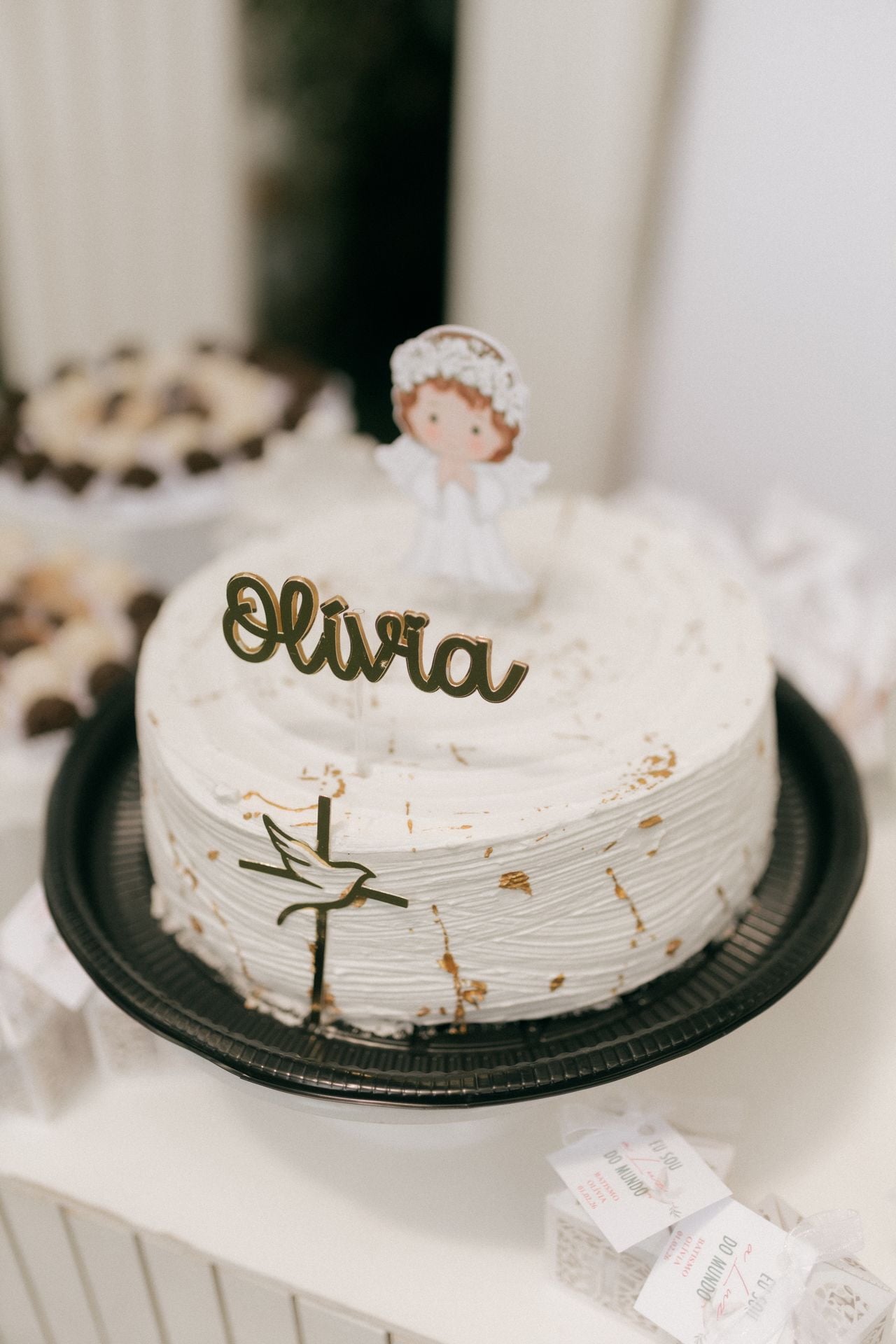
For dessert, choose a cake, cupcakes, or one favorite sweet treat. If you’re exploring christening cake ideas, start with the number of servings you need, then choose a design that picks up a color or detail from your decorations. A simple cake with the child’s name can give the table a lovely focal point.
Plan food storage and serving
Keep perishable food refrigerated until it’s time to serve. FoodSafety.gov’s event food-safety guidance recommends keeping cold food at or below 40°F and hot food at or above 140°F.
Perishable food left without temperature control should be discarded after 2 hours, or 1 hour when the temperature is above 90°F. This includes time spent on display while you’re away at the ceremony.
Before shopping, confirm what the venue or caterer provides. Check your supplies for plates, cups, cutlery, napkins, serving utensils, drinks and ice, food-storage containers, and trash bags.
Put each dish’s serving utensil beside its labeled platter in advance so helpers can find what they need.
How to decorate for a baptism party
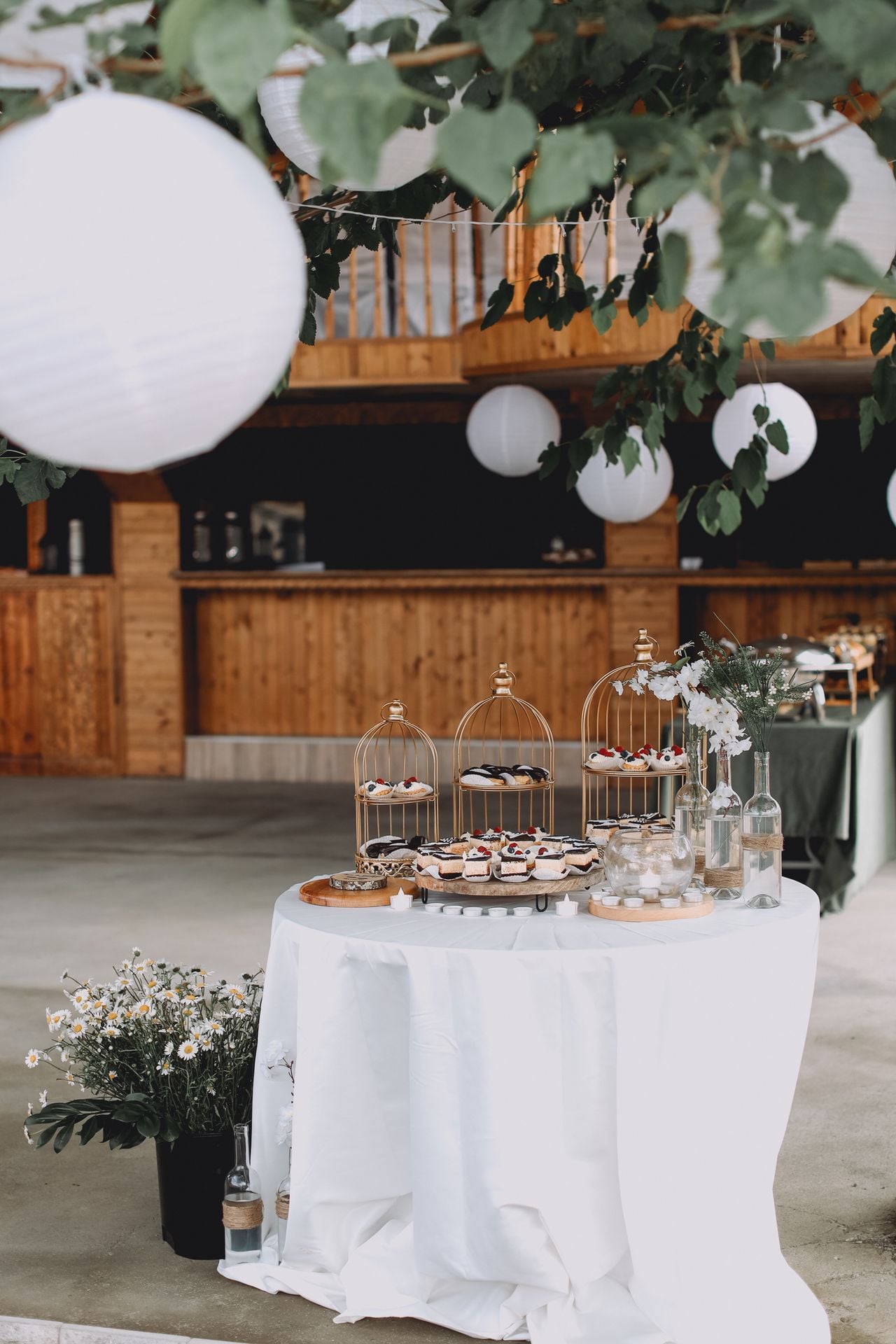
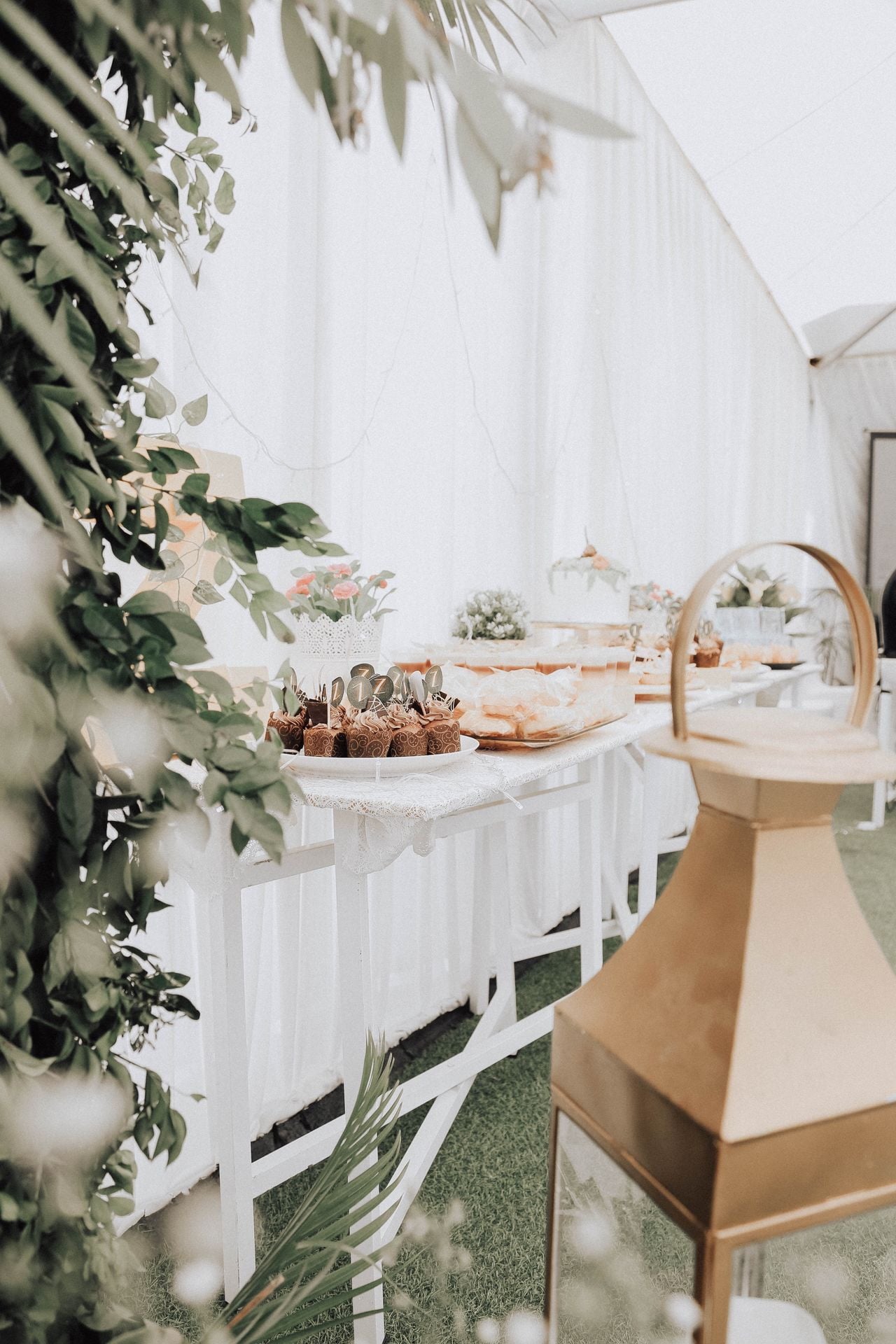
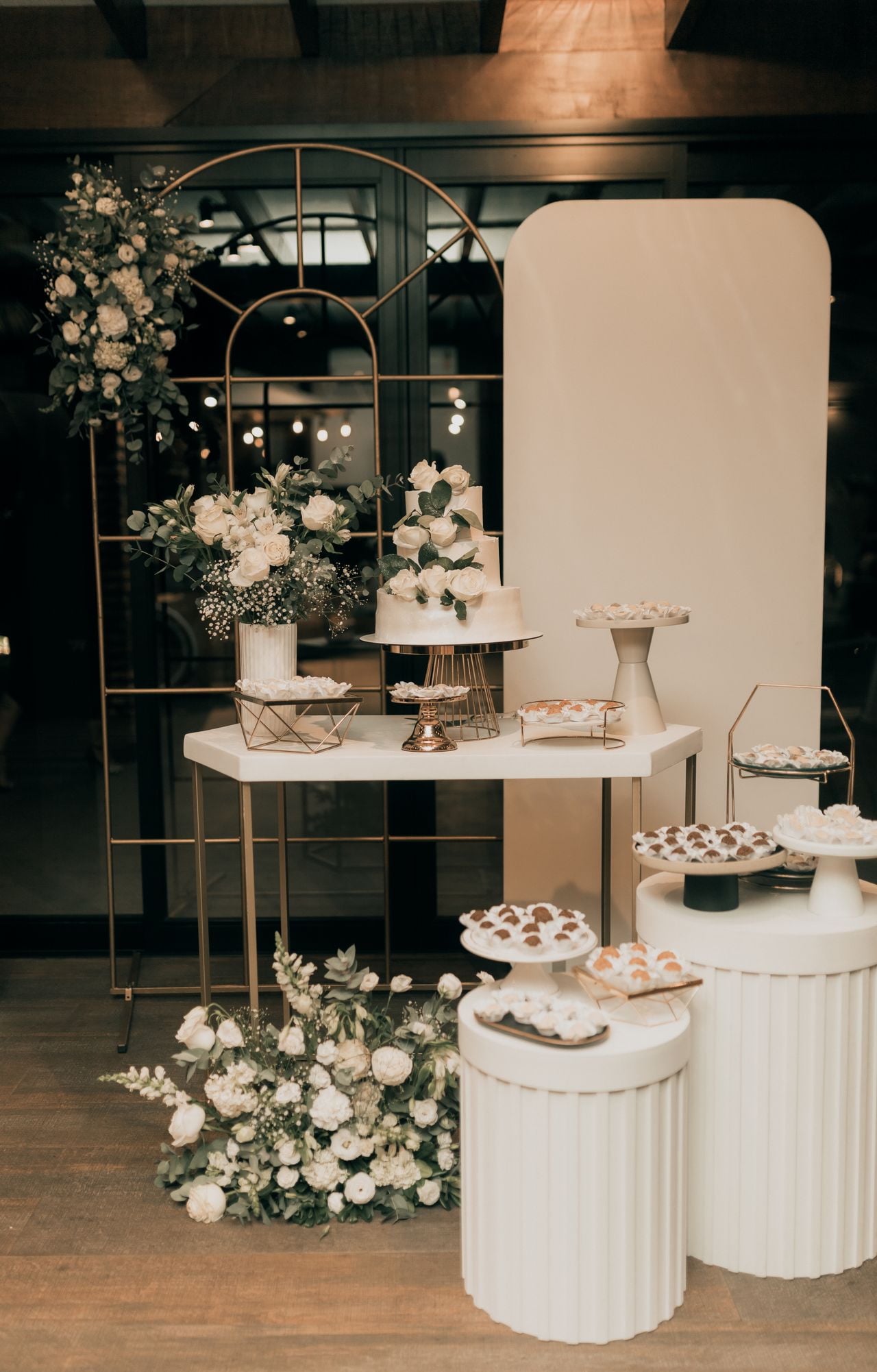
Choose a small color palette, then create one focal point at the cake or refreshment table. A tablecloth, framed name sign, or family photo, and a low flower arrangement are enough to start. Repeat your accent color in napkins and paper details to make the room feel coordinated.
White and ivory work with soft blue, blush, sage, gold, or a brighter accent. Your palette doesn’t need to be tied to the baby’s gender.
If you’re browsing girl christening party themes or boy baptism party ideas, start with a look you love rather than feeling limited to pink or blue. Carry one detail, such as flowers, lambs, or a favorite illustration, through your christening party decorations to bring everything together.
I’d put the most effort into the cake or refreshment table because it gives the room a finished look without requiring decorations everywhere.
For cake designs, centerpieces, and favor inspiration, browse my baptism party ideas. If you prefer a rustic look, this boho chic baptism feature includes family heirlooms and a personal table display.
You can also choose a playful motif that holds meaning for your family. The coordinated printables and desserts in this monkey-themed baptism celebration show how a single motif can tie the details together.
Three looks to make your own
| Look | Palette and focal point | Simple way to recreate it |
|---|---|---|
| Classic white and greenery | White linens, green foliage, and a framed name sign | Place one low arrangement beside the cake and repeat the green in napkins or paper details. |
| Soft lamb theme | Ivory, cream, and a muted accent, with a lamb illustration | Repeat one illustration on the invitation, cake topper, and keepsake cards. |
| Garden lunch | Soft florals, gingham napkins, and small flower arrangements | Use matching bud vases and gingham napkins, with shaded seating and an indoor weather backup. |
Choose the look that suits the room and the pieces you already own. Borrowed linens or matching frames can give the table a coordinated feel without adding another shopping list.
Choose a manageable reception length
For a simple meal and cake, I’d use about two hours as a starting point, then adjust for the baby’s needs, your family’s traditions, and the venue’s booking window. This is a planning suggestion, so choose the length that feels comfortable for your family.
Work backward from the end time to allow for eating, dessert, photos, or a brief toast. Keep venue setup and cleanup time separate from the hours you give guests.
Plan the handoff from church to reception
The most useful job to delegate is getting the reception ready while you’re at the ceremony. Give that person a clear list, access to the venue, and the contact information for anyone delivering food.
Also name a backup host who can keep welcoming guests, answer questions, and arrange dessert if you need to step away with the baby. This can be your setup helper or another trusted adult. Agree on the plan beforehand, so they feel comfortable making small decisions.
If the reception is ready for guests as soon as they arrive, “immediately following the ceremony” can work on the invitation. If there’s a fixed start time, state it clearly so guests can plan around the gap.
Have drinks and a simple snack available if lunch won’t be served right away. For a restaurant reception, tell the staff your expected arrival window and ask what happens if the service runs longer than anticipated.
Here’s a sample sequence to adapt to your ceremony and venue.
- Before the ceremony, a helper checks the room, serving supplies, and food arrangements. Perishable food stays properly chilled or hot.
- After the ceremony, take the family photos you’ve agreed on, allowing a travel buffer before the reception.
- As guests arrive, a helper welcomes them and points out drinks, seating, and restrooms.
- Once everyone has settled, serve the meal or refreshments. Keep any prayer or toast brief and consistent with your family’s traditions.
- Serve dessert when it suits the baby and your guests. You can take a family photo before cutting the cake if you’d like one.
- Before leaving, gather gifts and cards, promptly store food, and have helpers handle the first cleanup.
Make a short family-photo list
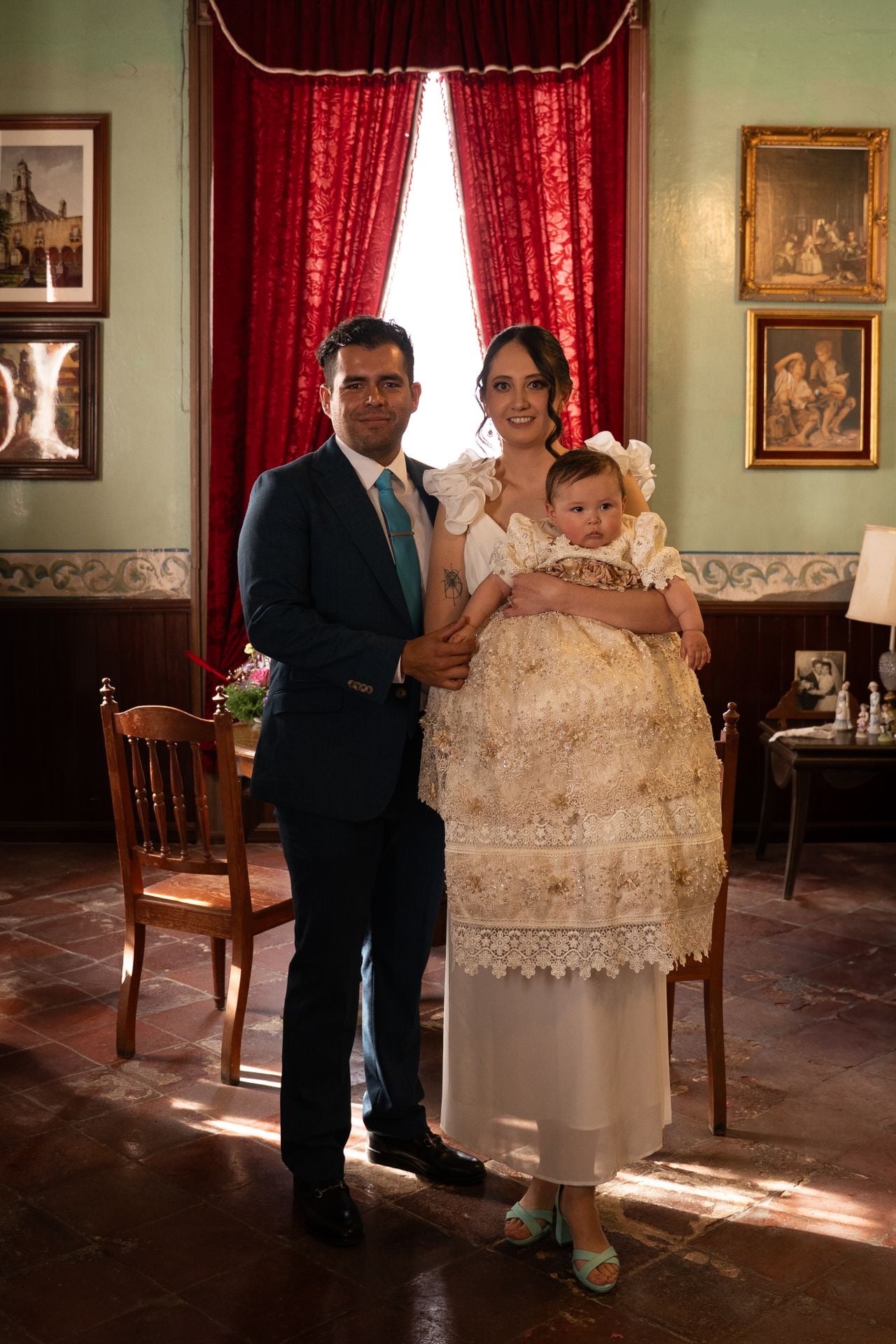
Before the day, write down the few group photos you most want. You might include your child with parents, godparents, grandparents, and siblings, along with a picture of the whole group if time allows.
Ask one relative who knows everyone to gather the groups while the photographer or designated camera person takes pictures. Confirm where photos are allowed at the church, and leave room to pause if the baby needs feeding or changing.
A professional photographer is an option if photos are a budget priority. If a family member is taking them, agree on the important pictures beforehand so they don’t have to guess.
Make the day easier for parents and children
If you’re recovering from birth or caring for a newborn, choose a plan that leaves room for feeding, changing, and stepping away. Another family member can host the reception even when you’re coordinating some of the details.
Set aside a private room or quiet area for feeding and changing, and pack a comfortable spare outfit for the baby. You can take photos in a special gown and change your child afterward.
For older children, a small table with paper and crayons may be all you need. Choose activities for the ages and number of children attending. A few cousins may be happy to draw or color together, while a larger group may benefit from a separate play area and a designated adult to supervise.
Children can also help beforehand by setting out napkins or arranging place cards. Give adults responsibility for food handling and keeping the event moving.
Stock the bathroom with soap and a clean way to dry hands. The CDC’s family handwashing guidance recommends washing before eating and after using the bathroom, which is a good reminder before everyone heads to the buffet.
What do you give at a christening?
If you’re attending as a guest, you might give the child a card with a personal message, a children’s book, a keepsake, or money intended for savings. A religious gift, such as a children’s Bible, can be thoughtful when it fits the family’s faith and preferences.
Ask a parent if you’re unsure what would be useful or welcome, and respect any no-gifts request.
Keep the gift within your own budget. A heartfelt note can explain your hopes for the child and make even a simple present feel personal. Godparents who want to choose something commemorative can check with the parents before buying a special item.
If you’re hosting, gifts for the child are separate from favors you give guests and any thank-you gift you choose for godparents.
Favors and godparent gifts
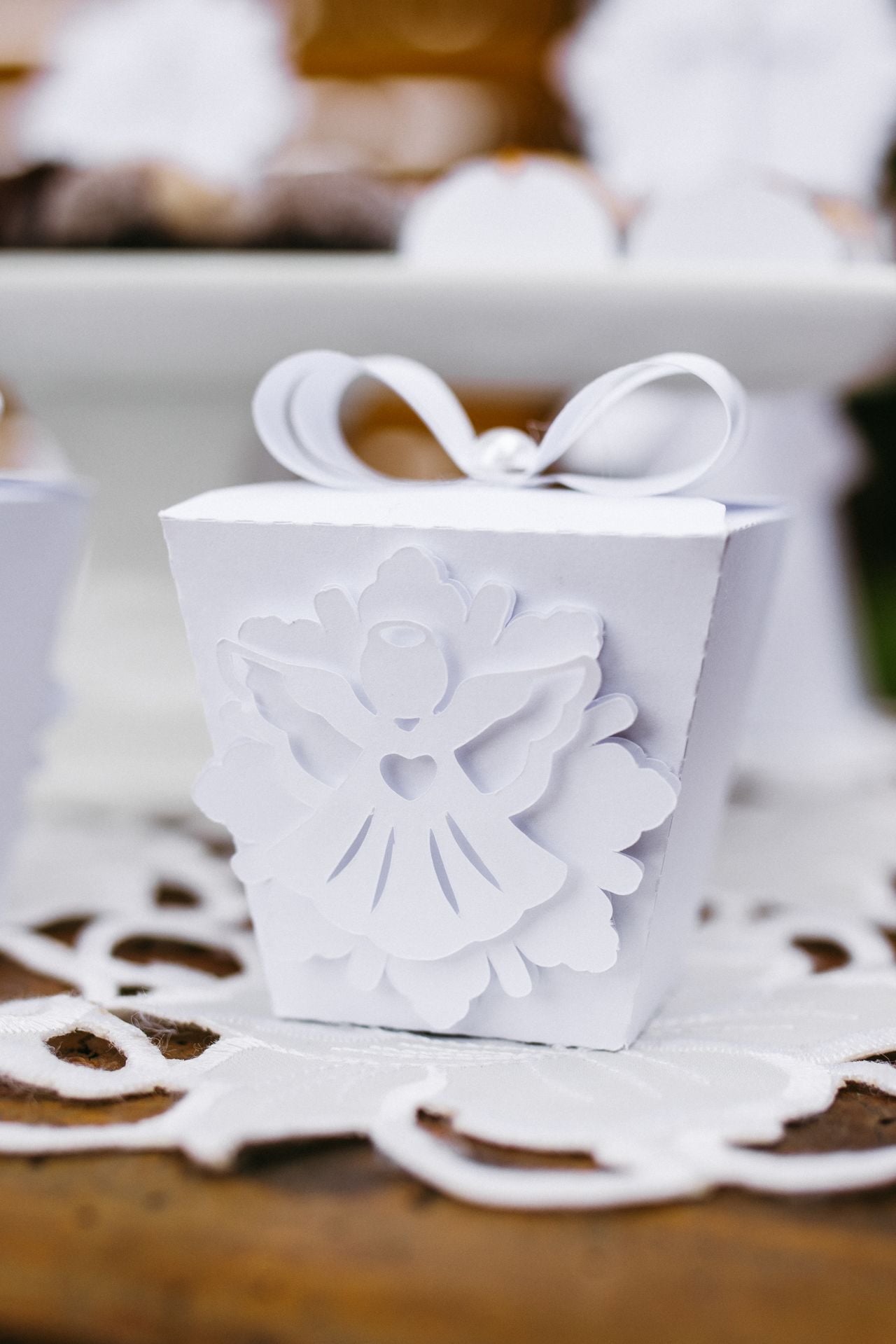
Favors can be wrapped cookies or a small printed thank-you card. If they add too much expense or work, leave them off your list.
A godparent gift is another personal choice. A handwritten note can express what their role means to your family without adding another shopping task.
Keepsakes from the celebration
For a keepsake everyone can contribute to, put out cards with the prompt “A wish or blessing for you” and a few pens. Ask a helper to collect the cards in one envelope or box before cleanup. It’s a simple way to save something personal from the day.
If you’d like to keep an item connected with the ceremony, ask your parish what is appropriate to retain or take home. A family photo and the written notes can be meaningful keepsakes on their own.
Baptism party planner
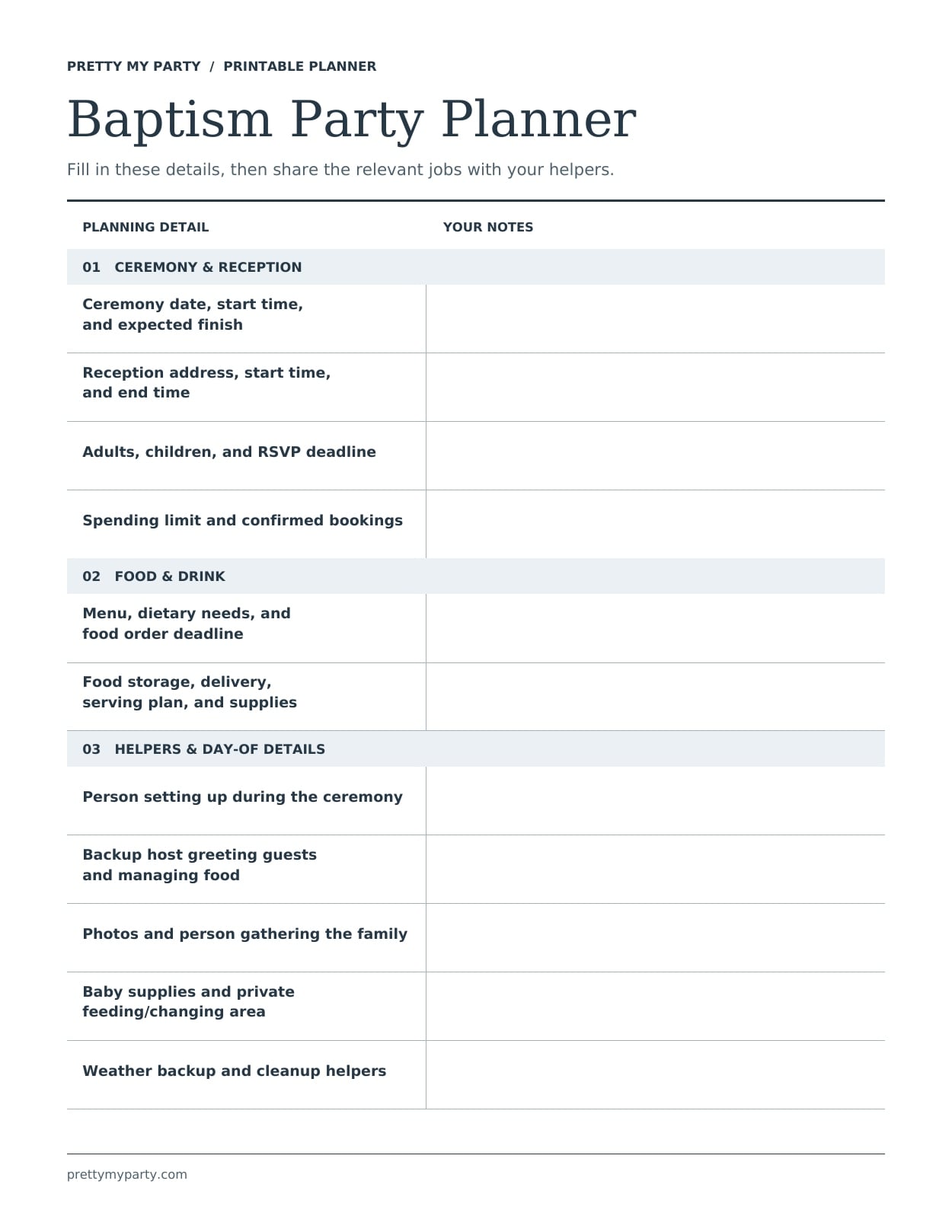
Print the Baptism Party Planner Printable and fill in the details. Then share the relevant jobs with your helpers.
A week before the party, confirm the headcount, food arrangements, and each helper’s job. The day before, pack supplies, set up what the venue allows, and check that whoever is opening the reception has everything they need.
Baptism Party FAQs
A reception is a personal choice to host. You can mark the occasion with a small meal, coffee with close family, or another gathering that suits your circumstances. Ask your church about religious requirements separately from reception plans.
You can plan a shared family reception if the timing suits you. Confirm the baptism arrangements with your church first, then make the invitation clear about both occasions. You might save a few separate photos and keepsakes for each milestone.
You can invite someone to the reception even if they’re unable to attend the ceremony. Include the reception’s own start time and address so they don’t have to guess when to arrive.
Bring the plan together
I’d start by confirming who can prepare the reception while you’re at the ceremony. Once that job is covered, use the planner to settle the food, timing, and a few personal touches that matter to your family.
Meet the Author
Cristy Posten is a party stylist, entertaining expert, and founder of Pretty My Party. With more than a decade of experience creating, curating, and sharing party ideas, Cristy helps readers plan memorable celebrations with practical advice, creative inspiration, and real-world hosting tips. Her expertise spans birthday parties, baby showers, bridal showers, holiday entertaining, décor, and food, with a focus on making celebrations easier to plan, beautiful, and fun.
